
Global Action Research Reports
- Title
- Global Action Research Reports
- Description
- The ICGS Global Action Research Collaborative is an 18-month action research program where educators in member schools study their classrooms to better understand effective teaching practices for girls. Their findings are published in our library every year.

Items
-
 ‘But what can I do about it?’ How using Design Thinking in the classroom can increase advocacy in Year 11 girlsAdam Giblin (2021) 2021This action research project introduced design thinking as an approach to problem solving with two classes of Year 11 students studying GCSE Religious Studies in an all-girls’ environment. Students were supported in developing skills of empathy, redefining problems of social injustice, exploring (or ideating) potential solutions, and planning their future actions. This was done with the aim of increasing their confidence to advocate for others. Student feedback, in the form of online surveys and focus group interviews, was used to show that after using Design Thinking, students felt greater confidence to advocate and had even begun to take small steps towards acting on behalf of marginalised groups. It was evident that students found engaging in personal acts of support, such as signing petitions or educating themselves, to be doable but needed greater support to engage with the more active advocacy behaviours, such as protesting.
 -
 “Dreaming About Being a Saviour”: Discovering the Impact of a Global Competency Learning Program on Year 5 Girls’ Curiosity for Global Knowledge and Participatory Disposition Towards Transformative Global ActionSheridan Sweeney 2023In recent years, Covid-19 has highlighted the major issues facing the world and the continued importance of international collaboration and purpose (Hughes, 2020). Australian students and educators experienced significant disruption due to Covid-19 and endured sustained disconnection from local, national and international collaboration. This action research explores how participating in a global competency learning program can engage girls as global citizens by developing their curiosity for global knowledge and willingness to participate in transformative global action. The sixteen project participants from Kambala’s Year 5 cohort participated in a project-based learning program, which connected students in an e-classroom and incorporated global thinking routines to engage the girls in effective collaborative discussion and deepen the girls’ critical thinking. Analysis of questionnaires, observations, student reflection journals, and interview responses demonstrated that an international collaboration strengthened the girls’ curiosity for global knowledge because the sharing of ideas between international peers provided alternative perspectives about global issues. The consideration of new perspectives successfully led to challenging the girls’ own understandings and therefore fostered collaborative discussions and increased confidence to participate as change makers. Importantly, the data provided evidence that the inclusion of global thinking routines, as a scaffold during collaborative discussions, encouraged the girls to think critically and engage in rich discussions about complex global issues.
 -
 “I Am a Mathematician”: Using AI-Supported Planning to Build Numeracy Vocabulary and Identity in Year 1 GirlsDeane Valodimos 2026This action research project investigated how the AI tool Perplexity supported personalised numeracy vocabulary development for Year 1 girls in an all-girls Catholic school in Victoria, Australia. The study responded to evidence that gendered confidence gaps in mathematics emerge rapidly and that mathematical vocabulary is a key predictor of numeracy achievement and self-efficacy. Seven Year 1 girls, representing diverse language, educational and social backgrounds, participated in a six-week intervention embedded within daily numeracy sessions. Perplexity was used as a planning partner to generate explicit vocabulary-focused lessons aligned with the Victorian Curriculum and International Baccalaureate (IB) Primary Years Programme (PYP) outcomes, incorporating explicit instruction, guided practice and opportunities for independent application. Lessons featured AI-informed word walls, games, co-constructed definitions and visual supports, which were continuously adapted using assessment data and teacher judgement. Data were collected using a mixed-methods approach, including “Mathematics Online Interview” growth points, Essential Assessment pre- and post-tests, student work samples, mathematician journals, interviews, teacher observations, video reflections and a reflective teacher journal. Inductive analysis was used to organise, code and interpret the data across the action cycle. Findings indicate that when prompts deliberately encoded assessment data, vocabulary targets and clear structures, Perplexity-supported planning shifted tasks from closed-answer focused activities to open tasks that elicited rich strategy talk and more precise mathematical language. Most students demonstrated growth in numeracy vocabulary knowledge and use, alongside increased confidence in explaining strategies and a stronger sense of themselves as mathematicians. These findings indicate that AI can effectively enhance explicit vocabulary instruction and support personalised learning when it is mediated by teacher expertise and grounded in robust evidence of student learning. Together these findings also offer practical guidance for early years teachers who are seeking to use AI to personalise numeracy vocabulary instruction and disrupt emerging gendered patterns of confidence in mathematics.
 -
 “If it’s Tuesday, it Must be Group Work!”: Steps to Confident Collaborative Culture CreationDr. Ralph Covino (2024) 2024Rooted in the scholarly literature on the importance of joy, the value of play, and the benefits of deliberate practice in facilitating student learning, this report explores how elements of a school’s successful modern dance company’s program, including regular rehearsal and experiential group learning, were ported to a middle school Humanities classroom. The action research project reported here examines how the implementation of iterative discussion and collaborative work patterns shifted girls’ attitudes and approaches to group work in a Seventh Grade Ancient Civilizations class, transforming them from being grade-focused to centered on the quality of the group’s projects instead. Through an analysis of survey data, classroom observations, and student reflections, the study concludes that explicitly teaching discussion skills, coupled with regular collaborative practice, improves confidence in girls in group settings, reduces grade anxiety, and fosters the creation of community through hands-on learning in a supportive and enriching learning environment.
 -
 “Not Too Formal”: Strategies to Support Grade 6 English Students to Strengthen Collaboration and Relationship SkillsLiz Joyce 2022There is a commonly held belief that girls avoid confrontation and engagement in “hard” conversations with peers. In this action research project, I set out to challenge this assumption, while also looking to understand what communication strategies and relationship skills the students already had and regularly employed. This research was conducted over the course of approximately eight weeks in late Fall 2021, with 10 Grade 6 students in their English class of which I was not the assigned teacher. By focusing on how teaching specific strategies impacts the abilities to strengthen collaboration and relationship skills, lessons were designed and implemented to target self-awareness and interpersonal communication skills. Students were taught strategies that enabled them to communicate more directly with peers as well as challenge their own thoughts and perceptions. Student feedback was regularly solicited in the form of surveys, writing prompts, class discussions, and a focus group midway through the project. The students’ feedback was critical to the process as it guided and molded the presentation of lessons as well as the format of the last classes. Findings from this project reinforce the importance of creating a safe and supportive environment for girls to share their thoughts and feelings. Overall, girls need to feel a connection with materials and security in their relationships to give meaningful feedback, engage in deeper discussions, and access their problem-solving prowess.
 -
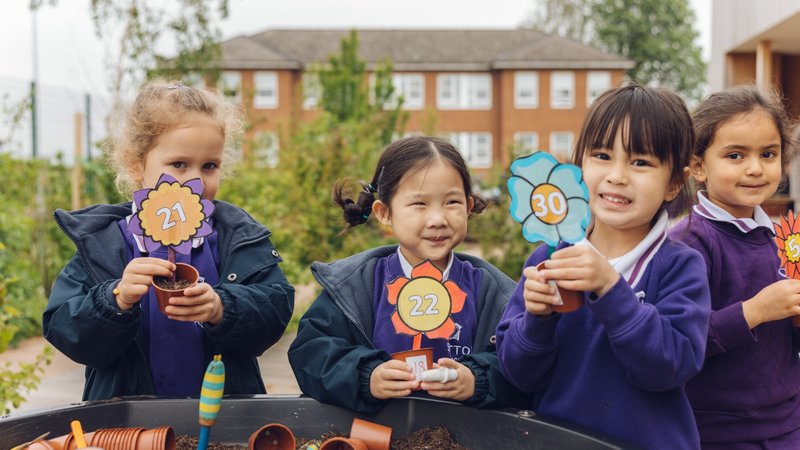
 “Wonky Carrots Are Welcome!” Using Co-Designed Success Criteria in Experiential Learning Tasks With Grade 4 Girls to Combat Perfectionist Mindsets and Expand Understanding of SuccessEllen Savill (2023) 2023In a world dominated by the illusion of perfection, particularly in the social media domain, it could be argued that now more than ever, this generation of girls needs to explore the difference between healthy striving and perfectionism. Schools and teachers must actively engage their students in redefining and reshaping the conversation about success, discrediting the unrealistic notion that academic achievement is synonymous with flawless, perfect results. This action research project investigated whether perfectionist mindsets towards learning could be altered and influenced at a young age to help girls recognise the complex, multifaceted nature of success. Unexpectedly, reflecting upon the growth of a humble, wonky garden carrot became a valuable allegory for exploring perfectionism in both learning and life. By inviting 9-year-old girls to co-design success criteria and assessment continuums based upon experiential learning tasks in the kitchen and garden, this research project revealed some effective techniques to combat perfectionist mindsets and enhance girls’ appreciation for the diverse construct surrounding the term success. Three key themes emerged from the data analysis suggesting the positive impact this project had on:Ruyton Girls’ School combatting perfectionist attitudes and fixed mindsets (Dweck, 2013) towards learning affirming girl-centred pedagogical approaches to learning design fostering opportunities to evaluate formative assessment practices.
 -
 2023-24 GARC Research SummaryICGS 2024A summary of the findings of the 23-24 GARC Cohort on Collaboration
 -
 A Safe Place for Productive Struggle: Using AI to Strengthen Year 6 Girls’ Self-Efficacy in MathematicsLauren Parker 2026This action research project investigated the impact of an AI-generated problem-solving platform on the mathematical self-efficacy of 24 Year 6 girls at Notting Hill and Ealing High School over twelve weeks. To foster independent problem-solving, teacher intervention was deliberately minimised, and the platform’s design omitted gamified metrics such as timers and scores; instead providing scaffolded discussion prompts for collaborative pairings and worked examples. Data were collected and triangulated through surveys, video interviews, focus groups, observations, and student reflections. Findings suggest an increase in self-efficacy, attributed to reduced social comparison, a shift from speed-based to perseverance-based success, and the development of autonomous problem-solving habits supported by collaborative practices. The results highlight that teacher-designed AI-generated learning environments can address gendered barriers to girls' self-efficacy in mathematics. Furthermore, this action research project offers broader pedagogical implications for mathematics teachers, highlighting how collaborative practice and activity design can create safer spaces for productive struggle to build girls’ self-efficacy.
 -
 Academic Buoyancy: Empowering Year 9 and 10 Girls to Take Risks and Own Their Learning as They Problem-Solve in the Science ClassroomLinda Douglas (2021) 2021This action research project sought to explore how supporting Year 9 and 10 girls’ understanding of their personal academic buoyancy and associated strategies impacted their academic risk-taking and ownership of learning when problem-solving in Science. In July 2021, a class of 23 Year 9 and 10 girls at Ruyton Girls’ School commenced a one semester Science elective entitled Marine Encounters. Early in this course, they were introduced to the concept of “academic buoyancy” through a bespoke workshop delivered over two fifty-minute sessions. The workshop focused on understanding cognition, behaviours, and emotions to support personal academic buoyancy, particularly during problem-solving exercises. The students then engaged in a series of authentic scientific problem-solving activities as part of their scientific study, which provided opportunities to put the academic buoyancy strategies into practice. In a mixed methods research design, data were collected through a pre-activity and post-activity survey, written student and staff reflections, and focus-group interviews towards the end of the elective. Analysis of the data indicated increased students’ awareness of negative thoughts about their own learning, recognition of their own personal signs of anxiety and worry, and greater recognition of the aspects they could control and develop. Student agency emerged as a strong theme, with students identifying not only how the action supported them in taking greater control of their own learning, but also how it could be improved in the future to support younger students. The results of this project indicate that a deliberate and embedded approach to teaching girls’ academic buoyancy and associated strategies enhanced openness to academic risk-taking and increased ownership of learning.
 -
 Advancing Project-Based Learning Through Iterative AI Feedback: Strengthening Girls’ Confidence and Agency in Grade 9 Religious ExperienceMarianne Rule 2026The widespread accessibility of generative artificial intelligence (AI) has raised questions for educators regarding ethical use, student dependence, and intellectual agency. This mixed-methods action research study examined how iterative, teacher-calibrated AI feedback fostered girls’ confidence, feedback literacy, and intellectual agency during Grade 9 project-based learning in a Roman Catholic all-girls’ school. Sixteen girls participated in a 16-week classroom intervention centered on the Teacher-Calibrated Iterative Feedback Framework, which integrated AI-generated feedback, teacher conferencing, metacognitive reflection, and scaffolding reduction across iterative revision cycles. Data included pre- and post-surveys, student artifacts, reflections, AI interaction logs, teacher conference logs, interviews, and field notes, supporting polyangulation across student perceptions, feedback interactions, and revisions. Quantitative data were analyzed descriptively, and qualitative data were coded thematically to identify patterns in confidence and revision behavior. Findings indicated that students distinguished between exploratory AI feedback and evaluative teacher feedback, using each strategically. Over time, this differentiation was associated with increased confidence in revision decisions and strengthened intellectual agency in evaluating and applying feedback. Iterative feedback cycles supported by reflection and teacher conferencing also contributed to more critical engagement with revision processes. The study contributes an adaptable framework for integrating AI-supported feedback within project-based learning while preserving the central pedagogical role of the teacher. Findings suggest that calibrated feedback systems combining AI, reflection, and teacher expertise can support student agency and self-directed revision practices in secondary classrooms. These findings will inform continued implementation of the Teacher-Calibrated Iterative Feedback Framework in future project-based learning contexts.
 -
 AI-Supported Formative Feedback Reinforces Student Engagement and Confidence in a Grade 7 Girls’ Science ClassroomAlexander William John Stevens 2026This action research study examined how AI-supported formative feedback reinforces student engagement and confidence in a Grade 7 girls’ science classroom through structured opportunities for feedback, reflection, and revision. Grounded in research emphasizing the importance of timely, specific, and actionable formative feedback (Hattie & Timperley, 2007; Shute, 2008; Wiliam, 2016), the study explored the use of AI-driven learning checks through the FlintAI platform across biology and physics units over a ten-week period. Data were collected through pre- and post-intervention surveys, semi-structured interviews, structured classroom observations, and AI-generated performance summaries. Findings suggest that the immediacy and structure of the AI-supported feedback process reinforced student engagement and confidence by reducing uncertainty, clarifying learning expectations, and creating structured opportunities for reflection and revision. Classroom observations also suggested increases in behavioural and emotional engagement over time, including greater participation, more sustained on-task behaviour, and increased willingness to engage in discussion, and less frustration with the platform. Students further reported using actionable feedback to revisit and refine their thinking, suggesting deeper cognitive engagement with the material. Separately, AI-generated performance summary data indicated growth in the depth, coherence, and conceptual integration of students’ scientific reasoning. Although limitations related to sample size and continuity restrict generalizability, the findings highlight the potential of AI to complement effective teaching practice by functioning as a structured cognitive partner that supports engagement, confidence, and deeper scientific reasoning.
 -
 Beyond the Blank Page: Using AI Tools in Creative Writing to Cultivate Academic Buoyancy in GirlsNichola RiversThis action research study explored the impact of introducing AI planning and writing tools in the classroom to facilitate the production of Year 9 English students’ creative writing pieces. In my experience, students often struggled to initiate and sustain creative responses independently and my aim was to establish whether AI tools could aid students in improving this. A class of 20 girls was provided with access to three distinct AI tools during the planning and drafting of creative writing pieces across a unit of work. Throughout the unit, students were provided with explicit instructions on how to use the tools to assist them in their work. Using the tools, students produced three creative writing responses, two short descriptive pieces, and one extended narrative piece. Data collection techniques included student reflective journals, questionnaires, work samples, observations, and focus groups. Thematic analysis of the data revealed three main themes—using AI planning tools in creative writing tasks: increases girls’ confidence in task initiation; improves girls’ perceptions of their capacity to plan their writing effectively; and has a positive impact on girls’ sense of confidence and control over the quality of their writing. The findings of this study are valuable to educators who wish to explore practical applications of AI writing tools in the classroom and who wish to further explore the potential impact of AI on girls’ academic buoyancy, engagement, and performance.
 -
 Beyond the Prompt: Exploring How Critical Thinking Shapes Girls’ AI Usage Patterns in a Year 8 GALS Series ClassSydney Costa 2026This action research investigated the impact of critical thinking skills on AI output in Year 8 girls within the social emotional self identity course called GALS Series at the Girls Athletic Leadership School. This study was aimed towards supporting the development and use of an AI policy at the Girls Athletic Leadership School, GALS, by obtaining students' perspective and encouraging the use of critical thinking skills with AI output. I worked with a group of 8th Grade students in the GALS Series classroom to facilitate this research. Data were analyzed to assess how critically thinking about AI systems output influenced adolescent girls’ motivation to use an AI platform. Students participated in pre- and post-surveys, individual reflections, and small and whole group discussions. Ultimately, through engaging with ChatGPT in a multitude of ways, three key findings were identified: students verbally discussed a lack of diversity in generated images, shared a mistrust and questioning perspective with the written output, and individually reflected on the impacts of AI in their future.
 -
 Boss, not-bossy: facilitating assertive leadership-skills in year 10 girlsShirley Anuse Kelly (2023) 2023Wildly popular R&B artiste Beyoncé asserts in her futuristic Afrobeat song, “Who run the world? Girls, Girls!” While the intoxicating lyrics and fast paced beat may resonate well with female students, the message that girls can, and should, lead does not always pack a popular punch. This action research project was undertaken to reset leadership preparation in the wake of the pandemic. For two academic years prior, education at the Bermuda High School has been virtually stripped to its most basic tenets of delivering academic content. Using an online delivery platform, it was nearly impossible to engage students much beyond the academic curriculum. Since the return to (near) normalcy, the school has undertaken to “build back better” by examining our practices and evaluating them to incorporate lessons learned through the pandemic. My research action was to facilitate intentional leadership development experiences with my students. Twenty-six Year 10 students (aged 14 to 15 years) were involved in this action research, that spanned three months, in their Personal, Social, Health and Economic Education (PSHE) lessons. Through class discussions, presentations, and journal reflections, students were led to develop core leadership skills and use them in a variety of settings. I found that the girls appreciated the school taking a very intentional and structured approach to teaching leadership. At the close of this study, 19 of the 26 girls in the cohort formally applied for school prefect positions, with 13 being successful in their bids following closely contested elections. This was a marked increase in the percentage of students applying for leadership positions compared to even pre-pandemic levels.
 -
 Building Buoyancy: AI Coaching to Support Year 10 Girls Through Uncertainty in Historical InquiryNoni Harrison 2026This action research study investigated the impact of a custom artificial intelligence (AI) coach on Year 10 girls’ academic buoyancy during a seven-week historical inquiry project. The AI coach aimed to enhance students’ persistence through the cognitive and affective challenges of inquiry by providing stage-specific scaffolding aligned with Kuhlthau’s Information Search Process (ISP) (Kuhlthau et al., 2012) and the 5Cs of academic buoyancy (Martin & Marsh, 2008). Quantitative and qualitative data were collected within a convergent mixed-methods design. Thematic analysis revealed that AI coaching supported students’ academic buoyancy by normalising uncertainty and providing strategic guidance at critical stages. The findings highlight the potential of pedagogically designed AI coaching to extend teacher support and enhance students’ persistence in inquiry learning.
 -
 Co-Creating Confidence: Exploring AI as a Catalyst for Self-Regulated and Reflective Learning in Year 12 PsychologyJayne Schinckel 2026The integration of artificial intelligence (AI) into classroom practice presents new opportunities to enhance how students receive feedback and develop as autonomous learners. This action research project investigated the impact of Bloom AI as a Socratic tutor on the confidence, motivation, and self-regulated learning habits of 17–18-year-old girls in a Year 12 Psychology classroom and home learning environment while preparing for final examinations. The project was aimed at exploring how AI-powered, dialogic questioning could enhance learners’ metacognitive awareness and autonomy by replicating the cognitive prompts and scaffolding of one-to-one tutoring. Data were collected through baseline and follow-up surveys, focus group interviews, and platform usage analytics, capturing both the quantitative patterns of AI interaction and the qualitative reflections of students’ perceived growth. Findings revealed that immediate, conversational feedback fostered greater self-efficacy, reduced exam-related anxiety, and encouraged deeper engagement with content through self-questioning and reflection. The evidence suggests that AI Socratic tutoring can serve as a valuable pedagogical partner, supporting not only knowledge acquisition but also the development of independent, confident learners. This initiative aims to extend the use of Bloom AI across year levels and subject areas at St Hilda’s School, with the broader goal of inspiring educators in girls’ schools globally to leverage AI as a tool for empowerment, agency, and authentic learning.
 -
 Collaborating with “Ceci”: How a Teacher-Designed Chatbot Supports Writing Confidence in Grade 9 GirlsMary Jane Kennedy 2026This action research study examined how a teacher-designed chatbot (“Ceci”) supported writing confidence in 14 Grade 9 girls (14–15 years old) in an English classroom. This project was driven by a recurring revision challenge: students often identified issues in their writing but did not always know what to do next, and individualized feedback was difficult to provide consistently in real time. Data were collected across four structured revision sessions through surveys, chatbot transcripts, and classroom observations; writing artifacts were collected in the first two sessions and a focus group was conducted at the end of the study. Findings suggest that students saw Ceci as an extension of, rather than a replacement for, teacher feedback, using the chatbot for individualized support while still centering teacher expectations as they worked. Students’ writing confidence was most often expressed as procedural clarity, or their sense that they knew the next steps to take in revision. Although students sometimes found Ceci’s feedback frustrating or confusing, many demonstrated persistence by testing options, adjusting prompts, and making strategic decisions about how to apply Ceci’s feedback. Finally, Ceci’s relational design (name, avatar, gender, and tone) appeared to support both students’ engagement during revision and their willingness to admit uncertainty. Overall, these findings suggest implications for how a teacher-designed chatbot can extend revision support beyond a traditional classroom setting. A subsequent action-research cycle could standardize implementation and evaluate whether revisions strengthened clarity and connections in addition to confidence.
 -
 Confidence Through Customisation: AI-Generated Differentiation in a Year 10 Girls’ English ClassroomJemma Cattell 2026This action research study investigated whether artificial intelligence (AI) could effectively support readiness-based differentiation in a Year 10 girls’ English classroom, and how this influenced girls’ confidence and engagement. A class of 21 students participated in a seven-week unit in which AI-generated differentiated worksheets were embedded across non-fiction writing tasks. Students were grouped according to learning needs using cumulative reading and writing data, and for each text type, AI was used to produce tiered scaffolds tailored to differing levels of cognitive demand. Data collection techniques included confidence surveys at multiple intervals, weekly reflection journals, semi-structured interviews, classroom observations, teacher aide notes, and analysis of student writing artefacts. Thematic analysis was employed to interpret the data. Findings suggest that AI-generated tasks were able to differentiate appropriately, enabling students to access learning at an optimal level of challenge. Reduced procedural uncertainty enabled more targeted feedback and relational interaction, strengthening confidence and academic risk-taking. The intervention fostered a classroom culture characterised by collective perseverance and shared assurance. However, the effectiveness of AI-supported differentiation depended on deliberate teacher mediation and iterative refinement. The findings from this study may be valuable for educators seeking approaches to differentiation and exploring how emerging technologies can support inclusive pedagogy in girls’ schools without displacing professional expertise.
 -
 Connecting With Our Feelings: Using Collaboration to Strengthen Social and Emotional Skill Development in Year 3 GirlsKate Giles (2024) 2024This research project focused on one Year 3 class of 22 (8 and 9year-old) girls at Pymble Ladies’ College, an all-girls independent school in Sydney, Australia. The goal of this research project was to explore whether active collaboration techniques used in “Compass Directions” lessons would strengthen girls’ social and emotional skills. The Collaborative for Social, Emotional and Academic Learning (CASEL) framework (2012), was used as a basis for the teaching of these social and emotional skills, with a focus on self-management and self-awareness, which was identified by the Year 3 teachers as being a particular area of concern in their students. Through this project, the girls worked together to learn different practical strategies to assist them with their emotions. The lessons consisted of explicit teacher-led lessons and opportunities for the girls to collaborate in activities and share their thoughts and feelings. The student discussions further informed subsequent lessons and activities. The students also collaborated with their parents at home, teaching them the skills learnt in class and reflecting together. The project culminated in the students creating their own “toolkit” of specific activities and actions that they felt would assist them in managing their emotions when needed, demonstrating their personal skill development. Qualitative data were collected through surveys, observations, student work samples, student reflections, and interviews. These data were then analysed through the transcription of interviews, coding, and distilling of themes. The results indicate that the girls enjoyed the opportunities to collaborate with each other and with their parents to create their tool kits. They were able to articulate the skills and strategies that were of specific benefit to them when needing to manage and regulate their emotions, showing a growing understanding of themselves and development of their social and emotional skills. The students indicated that collaborating on the activities and sharing their personal feelings and thoughts helped to build and strengthen these connections, leading to consideration of other projects across different year groups to further grow community across the school. Implications of this research follow on from the students’ reporting of greater feelings of trust and connection with each other and their parents following this project. Facilitating more opportunities for this collaboration and connection will be a focus across all grades in the future when considering social and emotional learning opportunities.
 -
 Developing Agency and Leadership in Year 12 Peer Mentor Girls Through the Co-Designing and Implementation of a Social Media WorkshopLaurie Garland (2025) 2025Girls in the 21st Century often aspire to be leaders, and we need to help develop their agency and leadership skills in our education setting, to give them the tools and skills to continue into the future. At Wycombe High School, I recruited our new cohort of 20 peer mentors and met with them for 12 weeks. During this time, we discussed different themes each week to help develop the students’ leadership skills as they planned and created a social media workshop to deliver to a Year 7 class. During this process, I implemented a mixed-methods approach to collect data, including questionnaires, interviews, journals, and video recordings, and identified the themes through my analysis. The findings indicate that the peer mentors’ confidence increased when co-designing and delivering the social media workshops. The peer mentors had full autonomy and independence over the project, which strengthened their agency. The peer mentors also became more aware of their own social media practices, and the relationship between the different year groups developed, which created a sense of connectedness. The Year 12 students were able to develop a sense of agency, thereby providing them with the opportunity to strengthen their leadership skills. To further advance this study, it would be necessary to create additional opportunities within the school for peer mentors and other student leaders to exercise greater agency in their educational and school-related experiences. Listen to Laurie's podcast ( or find it on our streaming channel ): Your browser does not support the audio element.
 -
 Developing AI-Security Self-Efficacy Through Prompt Injection Research in a High School ClassroomThomas Heverin 2026In high school cybersecurity classrooms, girls often experience a confidence gap when confronting the unpredictable and ill-defined vulnerabilities of modern artificial intelligence systems. This action research project examined how shifting students from passive users of AI tools to adversarial investigators through prompt injection testing influenced the AI-security self-efficacy of 12 girls enrolled in a high school Cybersecurity and Ethical Hacking class at The Baldwin School. Pre- and post-action surveys, student reflections, interviews, and work artifacts provided a comprehensive dataset capturing students’ transition from technical uncertainty to investigative authority. Findings indicate that self-efficacy increased substantially when girls engaged in mastery-based experiences that positioned them as active security researchers. Through iterative experimentation and creative prompt design, students successfully bypassed AI safeguards and demonstrated significant gains in confidence in their ability to analyze, question, and test AI systems. The findings also suggest that hands-on exploration of AI vulnerabilities promotes systems-level thinking, critical inquiry, and ethical awareness. While discovering the fragility of AI guardrails initially produced skepticism about the reliability of these technologies, this realization ultimately strengthened students’ sense of responsibility and agency in evaluating emerging AI systems. Future research should examine how adversarial exploration of AI technologies influences girls’ long-term persistence in cybersecurity pathways and how investigative learning models can support AI literacy and confidence among girls in secondary education. Developing AI-Security Self-Efficacy Through Prompt Injection Research in a High School Classroom To prepare students to navigate and lead in a digital landscape defined by rapid technological disruption, they must be empowered to see themselves as sophisticated agents of change rather than passive consumers of technology. However, girls in advanced technical domains often face a significant confidence gap where their belief in their own capabilities, rather than their actual abilities, serves as the primary barrier to participation (Francis et al., 2024). This is particularly visible in high-stakes fields like cybersecurity, where technical uncertainty can lead to a hesitation or worry about learning. The development of self-efficacy, as a core component of agency, is therefore essential to enable girls to boldly thrive and assert their authority in technical domains that have traditionally felt exclusionary, including cybersecurity and artificial intelligence (AI). Furthermore, according to Chiu et al. (2025), understanding how AI works represents a key step to living a safe and healthy life in a society dominated by AI.
 -
 Developing Discernment: The Intersection of Social Media, AI, and Critical Thinking for Year 6 GirlsHugh Earlam 2026This action research study sought to assess the impact of exposure to, and engagement with, generative artificial intelligence (Gen-AI) in a social media context, on girls’ critical thinking skills. The AI age has given birth to an unrealised deficit in discernment of what is, and what is not, real online; an issue this study intended to address. A class of 18 Year 6 girls (11-12 years old) from Seymour College, an independent all-girls Uniting Church school in Australia , were introduced to AI tools that were considered cutting edge at the time of the study and explored their impact on online media, such as video, image, and text generation. Students also created and engaged with their own non-digital social media platform to mimic the emotional experience of social media. These approaches set out to develop students’ critical thinking, focusing on the processes of inquiring, generating, analysing, and reflecting according to the Australian Curriculum and Reporting Authority (ACARA, 2026). This study used a mixed-methods approach to data collection through interviews, questionnaires, reflection, teacher observations, and student work. Findings identified that through prolonged exposure to AI-generated content, the students’ ability to think and speak critically improved. Students also built confidence in analysing content to seek its purpose and motivation. Most interestingly, students accepted the fact that social media will be part of their lives at some point, despite their newfound awareness of its pitfalls and risks. It is an interest of the researcher to assess the long-term efficacy of this intervention as the girls reach the age of 16, where, in Australia, social media will become legally available to them. An implication of this research is to see how soon this work can begin with younger students, and what possible interventions can assist girls who already use social media.
 -
 Developing Self-Efficacy Through Collaboration: Building Math Confidence in Grade 6 Girls Through Academic Discussion SkillsDuncan Flaherty (2025) 2025This action research study examined the impact of academic discussion skills on developing discipline-specific self-efficacy in two Grade 6 girls’ math classes using the R.E.A.L.® discussion framework. This intervention addressed the gender confidence gap in mathematics learning, whereby girls report lower levels of math confidence than boys in their peer group (Zander et al., 2020). Research shows that cooperative learning is an effective tool for teaching mathematical problem-solving in a whole class context (Klang et al., 2021), and that combining scaffolding for discussion skills and math content can increase conceptual understanding (Kazak et al., 2015). I contended that math discussion skills provide a mechanism to increase math self-efficacy through their capacity to enable mastery experiences, vicarious experiences, social persuasion, and positive emotional states, which are the primary sources of self-efficacy (Bandura, 1997). A math-specific version of the R.E.A.L.® discussion framework, initially developed for use in humanities classes, was generated in a collaboration between R.E.A.L.® and me and piloted during the six-week action research period. The research was conducted at Nashoba Brooks School in Concord, Massachusetts, USA. The project began with a student orientation to the R.E.A.L.® discussion framework, where students learned the primary tools (relate, evidence, ask, and listen) they would use during discussions, as well as how to prepare notes for discussions and write post-discussion reflections. Collected data were primarily 2 qualitative in discussion question preparation notes, reflection notes, student journal entries, field note observations, and video recordings of discussions. Quantitative data were collected through Likert scale surveys administered throughout the intervention to measure self-reported math self-efficacy. Data were analyzed through organization, description, and interpretation using a coding process that grouped data into frequently recurring themes (Mertler, 2020). This action research study found that math-specific academic discussion skills using the R.E.A.L.® framework increased student confidence when discussing and understanding math material. Specifically, the R.E.A.L.® discussions generated evidence of growth in all four areas of self-efficacy development as outlined by Bandura (1997). The findings are significant for math educators and leaders in girls’ schools as they suggest that math-specific academic discussion skills are effective in closing the gender confidence gap in mathematics learning. Future practice should incorporate explicit teaching of discussion skills alongside other constructivist modes of instruction to maximize self-efficacy development opportunities in math classes.
 -
 Empowering Design Thinking: The Role of Socratic AI Feedback in Developing Year 9 Girls’ Agency in Design EducationDavid Bratton 2026This action research project investigated the impact of automated, non-judgemental feedback on the agency of Year 9 girls within design and technology. To address the fear of failure and design fixation that often impede adolescent girls, I implemented a customised AI architect tool to support the design process and act as a supportive coach. This intervention transformed traditional, prescriptive teacher feedback into a space to receive low-stakes coaching dialogue. As part of a 13-week project at Bromley High School, students conducted an independent audit of the school site to pinpoint localised environmental problems and, in response, designed corresponding architectural solutions. The research followed a mixed-methods approach across three iterative cycles. While I initially provided various expert personas to support students in auditing the school site, recognising suitable locations, and constructing a formal design brief, the most effective feedback was Socratic in nature. By prioritising questioning over solution-giving, the AI encouraged critical thinking and empowered students to justify their own design decisions. An analysis of longitudinal growth in student voice, choice, and ownership, utilising reflection logs, interviews and questionnaires to gather qualitative insights, alongside quantitative data from radar charts. Findings revealed that this Socratic coaching model increased student confidence in independent decision-making. My research demonstrates that Socratic AI serves as a vital sounding board for creative risk-taking, addressing the fear of failure by enabling students to critically evaluate their ideas and reinforce design decisions through enhanced technical awareness. Building on this project, I intend to transform the design classroom into a space where the fear of failure is replaced by a culture of reflective and critical thinking across all age groups. I will implement Socratic feedback further by becoming a facilitator who encourages students to recognise and apply their own knowledge rather than providing the answers myself. For older students, AI assistants will serve as a vital sounding board, providing a dedicated space for Socratic learning and critical reflection that empowers them to validate their own ideas.
 -
 Empowering Environmental Guardians: Using Collaborative Systems Thinking to Solve Real-World Problems in a Year 10 Girls’ Science ClassroomAlex van der Loos 2024This action research study delves into the intersection of systems thinking, collaborative skills, and the empowerment of 14–15-year-old girls in a Year 10 Science classroom as kaitiaki (environmental guardians). The project aimed to enhance the confidence and collaborative capabilities of the girls through the implementation of systems thinking techniques within the context of an environmental awareness campaign centred around a local waterway, Wairau Creek. In teacher-selected teams of 4-6 students, the girls were granted autonomy in structuring their collaborative groups, with no predefined roles or instructions provided. Emphasising the interconnectedness of environmental systems, the curriculum guided students through the exploration of a nearby creek, conducting water health assessments and engaging with community experts to gain insights into the challenges facing the waterway. This study builds on existing literature regarding systems thinking, extending its application to address a notable gap – the impact on, and implications for, girls' collaborative skills. By allowing students the freedom to apply systems thinking as they deemed appropriate, this research uncovered how such an approach influences the development of teamwork, relationships, communication, and leadership skills among girls, with an aim to be shared with different departments across the school and to be easily implemented at any year level by educators across the globe.