
Home Page Features
- Title
- Home Page Features
Items
-
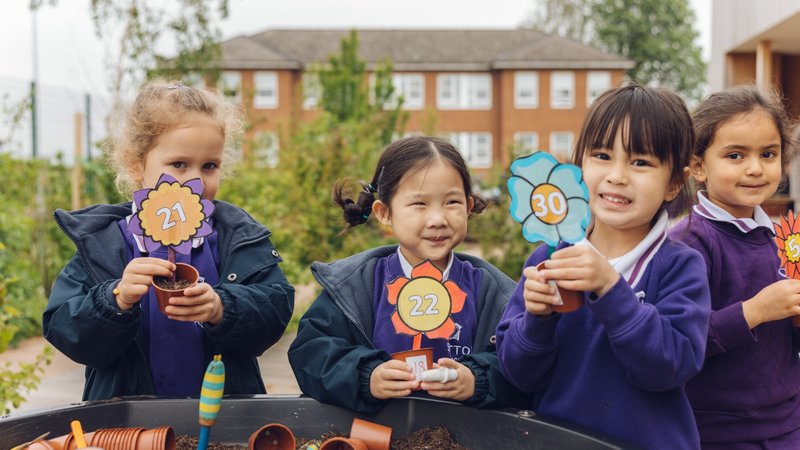 Empowering Environmental Guardians: Using Collaborative Systems Thinking to Solve Real-World Problems in a Year 10 Girls’ Science ClassroomAlex van der Loos 2024This action research study delves into the intersection of systems thinking, collaborative skills, and the empowerment of 14–15-year-old girls in a Year 10 Science classroom as kaitiaki (environmental guardians). The project aimed to enhance the confidence and collaborative capabilities of the girls through the implementation of systems thinking techniques within the context of an environmental awareness campaign centred around a local waterway, Wairau Creek. In teacher-selected teams of 4-6 students, the girls were granted autonomy in structuring their collaborative groups, with no predefined roles or instructions provided. Emphasising the interconnectedness of environmental systems, the curriculum guided students through the exploration of a nearby creek, conducting water health assessments and engaging with community experts to gain insights into the challenges facing the waterway. This study builds on existing literature regarding systems thinking, extending its application to address a notable gap – the impact on, and implications for, girls' collaborative skills. By allowing students the freedom to apply systems thinking as they deemed appropriate, this research uncovered how such an approach influences the development of teamwork, relationships, communication, and leadership skills among girls, with an aim to be shared with different departments across the school and to be easily implemented at any year level by educators across the globe.
 -
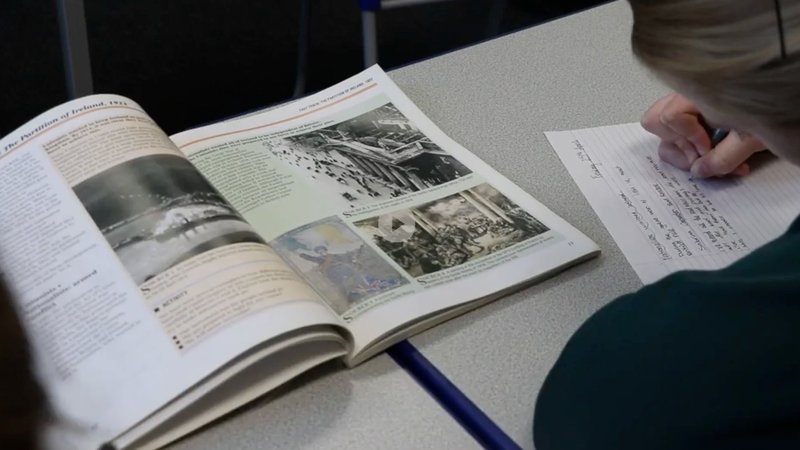 History Belongs to Us: Year 9 Girls Use Historical Significance to Craft Their CurriculumHolly Webb 2025This action research study investigated the impact of applying the skill of historical significance to meaningfully involve girls in the creation of their Year 9 history curriculum. A class of 25 girls was given explicit instruction on evaluating historical significance, and the girls were provided with multiple opportunities to evaluate the significance of the historical topics they were currently studying. The project culminated with students producing independently researched proposals for new topics they believed warranted inclusion in the school's Year 9 history curriculum, and also with the History department working with the students to implement some of these changes. Data collection techniques included questionnaires, focus groups, student work samples, and lesson observations. Thematic analysis was used to interpret the data; findings revealed that involvement in the curriculum design process and application of historical significance enhanced student agency and developed girls’ historical skills. Developing the skill of historical significance also enabled girls to distinguish between the agency of a historian and personal preferences, whilst also highlighting that comprehensive historical knowledge is crucial for students to effectively evaluate significance and exercise agency. The findings from this study are valuable for educators wanting to critically reflect on what may be considered canon in their subject or those hoping to involve students in meaningful curricular change.
 -
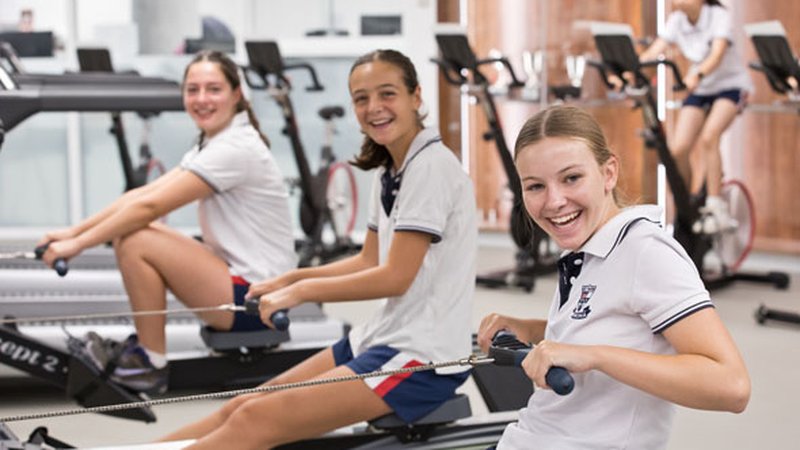 Raising Her Voice: Strengthening Student Well-Being and Engagement Through Connection in Girls’ Schools (Full Report)2024In an effort to support girls’ mental health around the globe, in 2023 International Coalition of Girls’ Schools (ICGS) partnered with Challenge Success, a non-profit organization affiliated with the Stanford University Graduate School of Education, to explore the experiences of girls in ICGS member schools. As the leading advocate for girls’ schools, ICGS connects and collaborates globally with individuals, schools, and mission-aligned entities dedicated to educating and empowering girls. Challenge Success partners with school communities to elevate student voice and implement research-based, equity-centered strategies to improve student well-being, belonging, and engagement. The two educational organizations share many values, including elevating student voices and empowering students to use their agency to drive positive change. Our aim was to explore the experiences of girls in girls’ schools through gathering and sharing data collected via the Challenge Success-Stanford Survey of Student Experiences. Equally important was to highlight areas where girls are doing well such as feeling a strong sense of belonging, support, and engagement in school. The purpose of this is to provide ICGS member schools with recommendations for promising research-based, equity-centered policies and practices aimed at improving girls’ well-being, engagement, and belonging in school.
 -
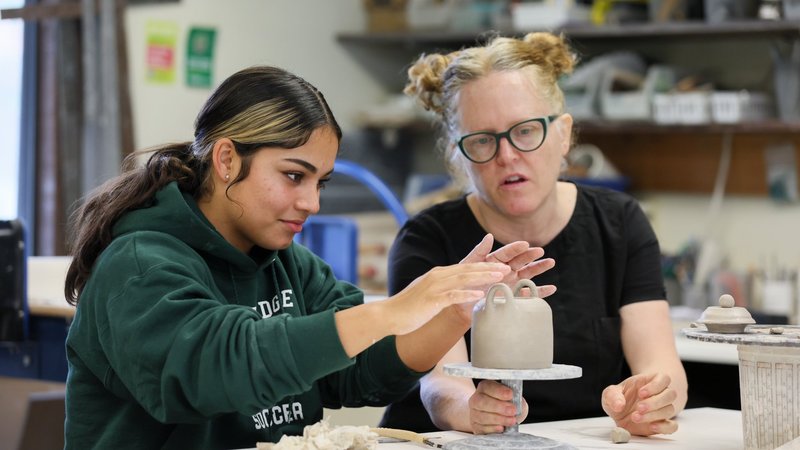 The Positive Effects of the Girls’ School Environment: An Analysis of PISA Data2023This ICGS-commissioned study dives into the experiences of girls participating in the Programme for International Student Assessment (PISA). The report compared data from girls enrolled in coeducational schools and girls’ schools in 12 participating countries. Of the 60,144 respondents, 46,352 (75%) of the participating schools were coed, while 13,792 (23%) were girls’ schools. Findings trended overwhelmingly positive across a number of measures for those students attending girls’ schools, and the key differences are highlighted in this Executive Summary.