
Health, Mental Health, and Wellbeing
- Title
- Health, Mental Health, and Wellbeing
Items
-
 Adolescent girls’ explanations of high rates of low mood and anxiety in their population: a co-produced qualitative study(2025) 2025This article explores why adolescent girls report higher levels of low mood and anxiety compared to boys, a disparity that has been increasing over time. The study focuses on gathering insights directly from adolescent girls to understand their perspectives on the root causes of these mental health challenges. The research identifies several contributing factors, including academic pressures, social media influence, body image concerns, relationships with peers and family, and societal expectations related to gender roles . Many participants highlighted the impact of constant comparisons on social media, the pressure to succeed in school, and difficulties in navigating friendships and romantic relationships as key stressors affecting their mental well-being. Additionally, the study discusses how gendered social norms and expectations can play a role in shaping girls’ emotional experiences. For instance, girls often feel pressure to be high achievers while also maintaining a certain appearance and behavior, leading to heightened stress, self-doubt, and anxiety . By amplifying the voices of adolescent girls, the research aims to better inform mental health interventions and develop targeted support strategies that acknowledge these gendered challenges. The study underscores the importance of creating safe, supportive environments in schools, families, and communities to help alleviate the mental health burden on young girls. Reference Demkowicz, O., Jefferson, R., Nanda, P. et al. Adolescent girls’ explanations of high rates of low mood and anxiety in their population: a co-produced qualitative study. BMC Women's Health 25 , 49 (2025). https://doi.org/10.1186/s12905-024-03517-x
 -
Appearance-related cyberbullying: Stopping the harm before adolescent girls resort to dieting, changing their appearance and cosmetic surgeryPrince, T., Mulgrew, K. E., Driver, C., Mills, L., Loza, J., & Hermens, D. F. (2024) 2024Educators are well aware of the ongoing risks cyberbullying poses to students, not least via its impact on wellbeing and mental health. A new study led by researchers from the University of the Sunshine Coast, Queensland, Australia, is the first of its kind to ever consider “appearance-related cyberbullying” (ARC) and how it affects adolescent girls’ mental health and wellbeing (Prince et al., 2024; Fowles, 2024). ARC is important to consider as a specific type of cyberbullying because of its unique impact on adolescent girls’ perceptions of their own bodies in addition to their mental health and wellbeing. Acts of ARC are predominantly targeted towards body shape and size, resulting in a significant impact on girls’ concerns surrounding “body shape, body shame, and eating disorder symptomology” (Prince et al., 2024, p. 1). It has also been proven to lead to a drastic rise in the number of girls who wish to undertake extreme diet changes, excessive exercise, surgical and cosmetic procedures, and changes to self-presentation in order to alter their appearance. Knowing how to address this type of cyberbullying will be an important part of the educator’s toolkit as they support girls to navigate the increasingly complex, and often confrontational, online world. This is one of the first articles to be released from this project, and focuses on girls aged between 14 and 19 years. Surveys were used to assess experiences of ARC, and considered victimisation, body satisfaction, body esteem, body shame, body appreciation, and symptoms of eating disorders. These factors all have significant impacts on adolescent girls’ mental health and wellbeing (International Coalition of Girls’ Schools, 2024a, 2024b, 2024c). The impact of bullying and cyberbullying on girls’ mental health is already well-known. Likewise, the high numbers of adolescent girls who report body dissatisfaction has also been widely recognised (Prince et al., 2024). Girls are also more likely to be victims of cyberbullying than boys (Prince et al., 2024, p. 2). This project goes further than existing research by specifically considering ARC. It can lead to higher levels of emotional distress and depression, lower levels of self-esteem, an ongoing perpetuation of unrealistic and negative beauty standards, and a greater risk of body dissatisfaction, body shame, and body image concerns. Addressing these issues will help support adolescent girls to develop and maintain healthy attitudes towards their own body image and appearance. The project found that ARC is typically focussed on very specific issues, most notably, physical appearance (including body shape and size). “Fatness” and “thinness” were two of the most commonly targeted physical traits. Other features that were used in ARC victimisation more frequently when compared to general cyberbullying included body attributes “such as breasts and bottom, facial appearance, clothing or style… scars, burns, skin conditions… and body tone and muscularity” (Prince et al., 2024, p. 7). Other factors that were targeted, but not as frequently, included “age, skin colour and disabilities” (Prince et al., 2024, p. 8). The project showed that 96.2 per cent of participants who had been victims of ARC wanted to engage in excessive dieting or exercise to change their body shape, size and physical appearance. Concerningly, 95.2 per cent also said they would like to change their self-presentation by altering their hair, makeup or clothing. Cometic and surgical procedures were also considered, with 81.3 per cent of girls in the study saying that they felt they needed these procedures to change how they looked after experiencing ARC. Taliah Prince and the other researchers who have collaborated on this research indicate that a collaborative approach involving schools, parents and social media platforms is the most effective way to address this problem. Within this context, they have provided strategies educators can use to help address the risks ARC poses to adolescent girls. These strategies go beyond addressing the impact of ARC on girls’ mental health, and are designed to be preventative. This includes the specific development of age-appropriate social media policies in schools. They also suggest the introduction of “health promotion programs that encourage positive online behaviour” (Prince et al., 2024, pp. 1, 12). By addressing the impact of ARC before it begins to negatively affect girls’ wellbeing, the researchers suggest we can improve outcomes for adolescent girls who are being increasingly exposed to cyberbullying that targets their vulnerabilities and unrealistic beliefs about appearance and beauty standards. References Fowles, T. (2024, September 6). Research reveals cyberbullying is pushing teenage girls towards cosmetic procedures . University of the Sunshine Coast Australia. Retrieved 6 September 2024, from https://www.usc.edu.au/about/unisc-news/news-archive/2024/september/research-reveals-cyberbu
-
 Assessing the Impact of Aspects of School Life on Well-Being in Girls' Schools(2025) 2025Starting in the 2020-2021 academic year, a high-achieving school for girls in grades five through twelve partnered with Authentic Connections (AC) to build upon their longstanding commitment to balancing a high-achieving culture with a focus on well-being. The AC team used survey results to quantify mental health and identify focus areas; though there is still work to be done, student and staff well-being have improved.
 -
At least 1.9 million students in England are not ready for their next stage of learning: Preparing to support girls in an increasingly complex world(2025) 2025The 2025 Pearson School Report is the fourth annual report produced by Pearson, one of the world’s largest education companies, best known for its work in publishing, assessments, and digital learning solutions. The report provides a comprehensive analysis of how school experiences are shaping students, highlighting the academic, emotional, and systemic challenges currently faced by educators and learners. It also offers recommendations for school leaders and educators to consider as they plan for the future of teaching and learning. Drawing from responses of over 14,000 stakeholders including teachers, students, tutors, and home educators, the report’s findings highlight key challenges that are directly relevant to principals who set priorities for both learning and student wellbeing. Crucially, this year’s data reveals that approximately 1.9 million students in England (including 1.65 million in primary and secondary school, and over 250,000 in college) are not emotionally or academically ready for their next educational stage. This readiness gap has broad implications for learning outcomes, student retention, and future employability. At the primary level, teachers believe that 32 percent of students are not ready for progression. At secondary level, this figure sits at 31 percent. It is even higher for college level, with 43 percent of students aged 16 to 18 considered to be unready for their next stage of life and learning. The lack of readiness is consistent across phases but manifests differently by age group. The driving factors behind these readiness gaps vary, but include special educational needs and disabilities as the largest cited reason. Younger students speak about emotional barriers including fear and feeling like they are too young to progress. When teachers were asked why they felt secondary students were not ready to progress, the commonly cited reasons were a lack of self-motivation, independence and social maturity. For those beyond secondary school, it is felt that key challenges include a lack of skills surrounding digital wellbeing, critical thinking and writing skills. Students often say they know what they want to do, but lack the knowledge to know how to put those ideas and plans in place. Knowing that students want to progress is critical. The next step is understanding and developing ways to support them to achieve this goal. This is a significant challenge for educators, especially when students want to progress but don’t yet feel equipped to do so. Given this, the report highlights four key student outcomes that educators themselves feel are priorities in approaching this challenge: self-confidence and awareness, a love of learning, life skills, and an understanding of the wider world. These outcomes can be supported through developing problem-solving skills, critical thinking, resilience, and confidence. These skills can help students navigate successful educational transitions. They are also important skills that can support girls’ general wellbeing at a time when they are at risk of increased rates of anxiety, depression and other mental health symptoms. Interestingly, despite these various contributing factors to this lack of readiness, secondary students were able to recognize the long-term value of learning and the usefulness of skills. This highlights an area that could become a relevant intervention to help address this challenge. This is an important observation against the backdrop of key barriers to future learning identified by the Pearson report, which included attendance, special education needs and/or disabilities, behavior, mental health, and student disengagement. Other barriers identified in the Pearson report include curriculum and assessment, which college students feel affects them adversely. Teachers are also seeking less curriculum volume and want more flexible assessment options. All these options respond to a key finding that recurred across the report’s data: There is no one-size-fits all approach, with different students requiring different types of support and learning options. Preparation for employment and the use of AI are two areas identified as critical to addressing student learning readiness. Only eight percent of teachers surveyed believe students are being well prepared for employment. As students age, they are becoming increasingly concerned about navigating work and employment. Educators are also seeking resources and knowledge to support the delivery of comprehensive digital and AI-related education. Given the increasing presence and use of these technologies in post-school learning options, this is essential to support student confidence and skill development. Based on these findings, the Pearson report provides some suggestions for school leaders to help support students as they develop interventions to address student readiness for learning. This includes prioritizing both problem-solving and life skills alongside academic re
-
 Boss, not-bossy: facilitating assertive leadership-skills in year 10 girlsShirley Anuse Kelly (2023) 2023Wildly popular R&B artiste Beyoncé asserts in her futuristic Afrobeat song, “Who run the world? Girls, Girls!” While the intoxicating lyrics and fast paced beat may resonate well with female students, the message that girls can, and should, lead does not always pack a popular punch. This action research project was undertaken to reset leadership preparation in the wake of the pandemic. For two academic years prior, education at the Bermuda High School has been virtually stripped to its most basic tenets of delivering academic content. Using an online delivery platform, it was nearly impossible to engage students much beyond the academic curriculum. Since the return to (near) normalcy, the school has undertaken to “build back better” by examining our practices and evaluating them to incorporate lessons learned through the pandemic. My research action was to facilitate intentional leadership development experiences with my students. Twenty-six Year 10 students (aged 14 to 15 years) were involved in this action research, that spanned three months, in their Personal, Social, Health and Economic Education (PSHE) lessons. Through class discussions, presentations, and journal reflections, students were led to develop core leadership skills and use them in a variety of settings. I found that the girls appreciated the school taking a very intentional and structured approach to teaching leadership. At the close of this study, 19 of the 26 girls in the cohort formally applied for school prefect positions, with 13 being successful in their bids following closely contested elections. This was a marked increase in the percentage of students applying for leadership positions compared to even pre-pandemic levels.
 -
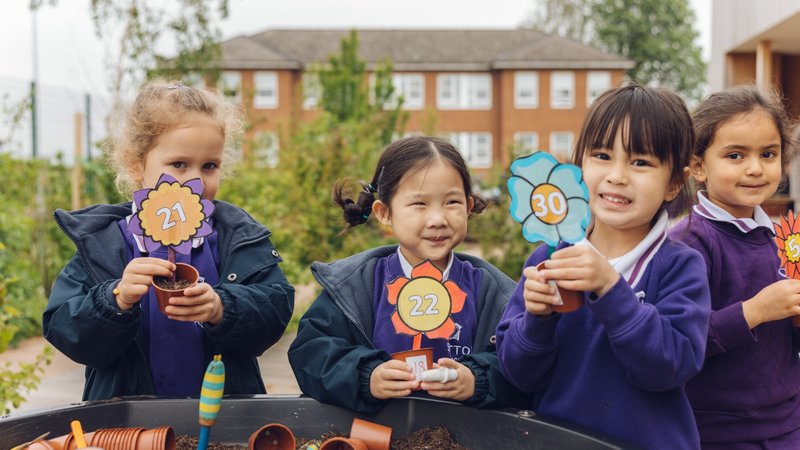 Empowering Environmental Guardians: Using Collaborative Systems Thinking to Solve Real-World Problems in a Year 10 Girls’ Science ClassroomAlex van der Loos 2024This action research study delves into the intersection of systems thinking, collaborative skills, and the empowerment of 14–15-year-old girls in a Year 10 Science classroom as kaitiaki (environmental guardians). The project aimed to enhance the confidence and collaborative capabilities of the girls through the implementation of systems thinking techniques within the context of an environmental awareness campaign centred around a local waterway, Wairau Creek. In teacher-selected teams of 4-6 students, the girls were granted autonomy in structuring their collaborative groups, with no predefined roles or instructions provided. Emphasising the interconnectedness of environmental systems, the curriculum guided students through the exploration of a nearby creek, conducting water health assessments and engaging with community experts to gain insights into the challenges facing the waterway. This study builds on existing literature regarding systems thinking, extending its application to address a notable gap – the impact on, and implications for, girls' collaborative skills. By allowing students the freedom to apply systems thinking as they deemed appropriate, this research uncovered how such an approach influences the development of teamwork, relationships, communication, and leadership skills among girls, with an aim to be shared with different departments across the school and to be easily implemented at any year level by educators across the globe.
 -
Girls prefer single-sex PE classes & sporting activities(2024) 2024Researchers have found that mixed-sex sporting activities at school reinforce existing gender stereotypes that boys are 'better' at sport, leading to girls being discouraged from taking part. In addition, especially during adolescence when girls are highly conscious of body image and weight, they are reluctant to wear physical education (PE) uniforms or take part in PE classes and sporting activities with boys. Unsurprisingly, multiple studies find that girls prefer female-only PE classes, sports, fitness activities and outdoor education. • Mission Australia's large-scale annual survey of young people aged 15-19 revealed that students at girls’ schools obtained higher scores than the female average in the key area of physical and mental health, even during the pandemic year of 2020. More girls attending single-sex schools in 2020 reported participating in sport over the past year than the average female (75% vs 68.6%) (Mission Australia, 2020). • A study of the gendered nature of mixed-sex sailing programs for school students aged 14-18 in France and the United States concluded that “young men were viewed as being more legitimate participants and regularly took up the role of lead skipper — young women were considered secondary participants and were typically positioned as crew members” (Schmitt, Atencio & Sempé, 2020, pp. 1-2). Boys taking part in the study believed that girls were “less capable sailors” and “tried to intimidate the girls during races” (p. 9). This is consistent with previous studies which found that school sport “privileges males and often devalues female participants ” (p. 2). • A 2020 Scottish study has found that girls spend significantly more time undertaking moderate to vigorous physical activity in single-gender PE lessons. In addition, most girls enjoy and prefer single-gender Physical Education (PE) lessons for games such as basketball. The study authors suggest that segregating PE classes for game-based activities could lead to greater health benefits for girls through a higher level of physical activity (Wallace, Buchan & Sculthorpe, 2020, pp. 231). • A 2019 American study has found that PE lessons in co-educational schools “reinforce more sedentary behaviour in girls due to a more male-dominated, traditional, team-sport oriented curriculum that lacks a wide variety of choices” (p. 110). Timken, McNamee and Coste write that international research has demonstrated that co-ed physical activity and PE lessons “have been places rife with dominance, harassment, and intimidation of girls, leading girls to disengage and/or prefer different circumstances” (p. 111). Girls may prefer dance and fitness activities to traditional sports activities because they do not require a team, are non-competitive, can occur any time, and may require less coordination than team sports (p. 110). In addition, multiple studies have found that girls prefer single-gender rather than mixed gender PE classes, with two studies demonstrating that girls who participate in single-gender teams show increased competence, possibly because they perceived less competition and felt more confident about their ability level compared with the other girls (p. 111). • A UK study found that the majority of girls support separating girls and boys for sports activities . There was also stakeholder support for girls’ sports activities to be run by female coordinators who could act as role models (Morgan, Van Godwin, Darwent & Fildes, 2019, pp. 1, 4, 7). The authors’ recommendations include that co-ed schools should introduce female-only physical activity sessions that take place after school and that female role models should be used as facilitators of these activities (pp. 9-12). • Citing a 2014 study, Crystal Vargos writes that co-ed classes have been found to have a “negative effect” on girls’ participation levels in PE for multiple reasons including gender stereotypes, the teacher, the class environment, and the competitive design of PE classes. In addition, “Feelings of embarrassment, lack of confidence and self-efficacy, body image concerns, disinterest in particular activities, and dominance of males in PE” are reasons why females may dislike participating in co-ed PE classes (Vargos, 2017, pp. 1-2, citing Murphy, Diongi & Litchfield, 2014, n.p.). • A 2014 meta-analysis of 22 studies found that the largest increases in sports participation occurred in studies where interventions were based on single-sex activities . In particular, interventions that targeted girls, rather than girls and boys together, had a “higher effect size”. The study authors noted that this effect was not just present in adolescent girls who may be experiencing body image concerns, but also in younger girls. They concluded that “ongoing physical education and other structured physical activity contexts might require greater use of single sex provision” (Biddle, Braithwaite & Pearson, 2014, p. 129). • An American study examining co-
-
Play equipment in Australian children’s homes: Can we refine interventions to support girls’ engagement with physical activity? (ICGS, 2025)(2025) 2025Duncombe, S. L., Moss, K. M., Tooth, L. R., & Mielke, G. I. (2025). Sex differences in the play equipment found in Australian children’s homes. Journal of Child and Family Studies, 34 , 1283-1291. https://doi.org/10.1007/s10826-025-03037-8 . Research has shown that the different types of play equipment present in children’s homes can be associated with children’s physical activity levels. This study by researchers at the University of Queensland, Australia, investigates differences in play equipment found in Australian homes based on the gender of the child/children. The authors identify links between gender and the type of equipment present in homes, and highlight the impact of this on children’s engagement with physical activity. They suggest that early, gender-specific physical activity interventions are needed to target gender disparity in physical activity. Given the well-documented benefits of physical activity for child and adolescent wellbeing, early and positive interventions to encourage girls’ holistic participation are essential (Duncombe et al., 2025, p. 1284). This research was drawn from the “Mothers and their Children’s Health Study”, which is part of the “Australian Longitudinal Study on Women’s Health”. This included information on 5,314 children from 2,805 families, which was categorised by the number of children in the family, age, and gender makeup. This is a substantially larger study than much of the previous research published on this topic, and also considers the context of siblings in family groups. Participants were provided with a list of play equipment and asked to indicate which of the items were available to children in their homes. The list of equipment provided to participants was “balls; basketball or netball rings; bats, racquets, or golf clubs; climbing equipment or suitable trees; bicycles, tricycles, or scooters; skateboards or ripsticks; skipping ropes; swimming pools; trampolines; slides or swings; and electronic play equipment” (Duncombe et al., 2025, p. 1285). The researchers initially observed broad trends linking the gender composition of children in the household to the type of play equipment in the home. Families with all boys or mixed siblings had a higher prevalence of play equipment that included “skateboards/ripsticks, bats, racquets and golf clubs than those without a boy” (Duncombe et al., 2025, p. 1283). Families with girls or mixed siblings had a higher prevalence of play equipment in the home that included “skipping ropes, slides and swings than those without a girl” (Duncombe et al., 2025, p. 1283). Yet there were no differences observed in “balls, bicycles, trampoline, pools, or active electronic games in homes” (Duncombe et al., 2025, p. 1283). The findings were promising in relation to toys associated with active play. Previous studies have shown that toys associated with movement have typically been present in family groups with boys. Yet this study shows equal amounts of all-girl and all-boy families with toys associated with movement. This is an important finding and one that prompted the researchers to question what factors influenced this outcome (Duncombe et al., 2025, p. 1288). It indicates that providing girls with access to these types of toys could be beneficial to “augment their physical activity levels”, while maintaining awareness of how girls will use the toys, as this may differ to boys (Duncombe et al., 2025, p. 1289). These findings reinforce earlier research showing different play patterns and behaviours among girls and boys. However, it also gives a new perspective to this topic by considering the home environment and potential influence of siblings. The authors also suggest this is an opportunity to consider the role of gendered parenting and societal pressures in children’s toy preferences. This can be addressed through advocacy for “less gendered toy marketing and preschool environments”, including the promotion of gender-neutral spaces from a young age (Duncombe et al., 2025, p. 1288). Regardless of how much influence in children’s choice of play equipment can be attributed to child preference, societal norms or parent influence, the implications for physical activity levels are still crucial to understand in order to address disparities in physical activity. There was no difference between families with mixed sex siblings and all-boy/all-girl families and the types of play equipment/activity levels found in the home. This indicates that “a single child of one sex may influence the equipment in a home” (Duncombe et al., 2025, p. 1288). There was also no clear correlation between levels of physical activity with/without siblings. The number of differences in play equipment did increase as children aged, which is consistent with existing research. Preferences for gender neutral toys also decreased significantly as child age rose. This could be due to socialisation pressures and early social environments that encourage
-
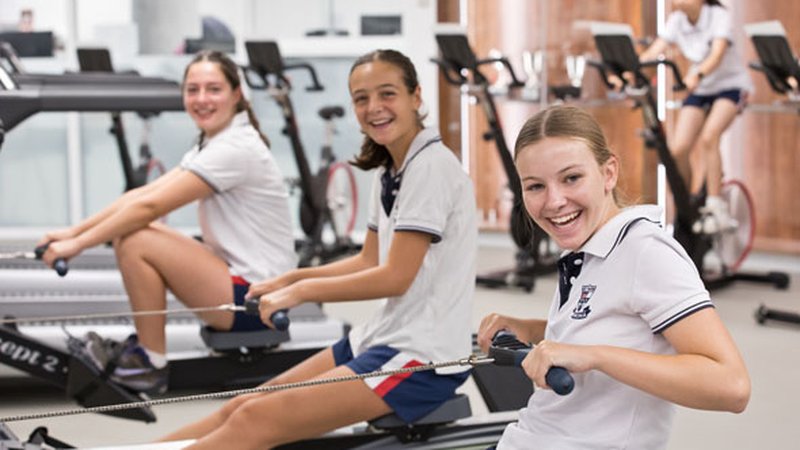 Raising Her Voice: Strengthening Student Well-Being and Engagement Through Connection in Girls’ Schools (Full Report)2024In an effort to support girls’ mental health around the globe, in 2023 International Coalition of Girls’ Schools (ICGS) partnered with Challenge Success, a non-profit organization affiliated with the Stanford University Graduate School of Education, to explore the experiences of girls in ICGS member schools. As the leading advocate for girls’ schools, ICGS connects and collaborates globally with individuals, schools, and mission-aligned entities dedicated to educating and empowering girls. Challenge Success partners with school communities to elevate student voice and implement research-based, equity-centered strategies to improve student well-being, belonging, and engagement. The two educational organizations share many values, including elevating student voices and empowering students to use their agency to drive positive change. Our aim was to explore the experiences of girls in girls’ schools through gathering and sharing data collected via the Challenge Success-Stanford Survey of Student Experiences. Equally important was to highlight areas where girls are doing well such as feeling a strong sense of belonging, support, and engagement in school. The purpose of this is to provide ICGS member schools with recommendations for promising research-based, equity-centered policies and practices aimed at improving girls’ well-being, engagement, and belonging in school.
 -
School experiences of transgender and gender diverse students in AustraliaJones et al. (2016) 2016An Australian study conducted by Jones, Smith, Ward, Dixon, Hillier and Mitchell sought to explore the schooling experiences of transgender and gender diverse students that are becoming increasingly visible across Australia’s education landscape. From their findings they propose a number of recommendations for establishing more inclusive practices within schooling environments that can better support these students (Jones, Smith, Ward, Dixon, Hillier & Mitchell, 2016, p. 156). At an international level there has been an increased awareness and acceptance of the growing possibility of students presenting diverse gender identities within schooling contexts. The existing literature on transgender and gender diverse students has largely focused on risk factors associated with belonging to this population, including the increased potential for victimisation and discrimination within the school environment. Evidence of the schooling experiences of this population is being increasingly used to inform policy protections aimed at establishing inclusive school environments that provide greater recognition and support for gender diversity. Against this backdrop, Jones et al.’s study became focused on exploring the extent to which Australian transgender and gender diverse students report feeling supported within their school environments, with particular consideration of recognition of their experiences of puberty and sexuality education, treatment by students and staff, and advantages of participating in activism (pp. 156, 157). To conduct their study, 189 transgender and gender diverse students across Australia’s various education sectors participated in an online survey answering questions related to their schooling experiences, mental health and the role of activism in their wellbeing. In depth interviews were further conducted with sixteen of the survey participants who were willing to discuss their experiences of schooling in greater detail (pp. 160, 161) The data obtained from interviews and surveys revealed that the majority of participants in the study reported a lack of inclusion in their experiences of sexuality and puberty education. Two-thirds of transgender and gender diverse students revealed that the provision of sexuality education at their school was mostly inappropriate for failing to recognise sexual and gender diversity. The findings further revealed that 55% of participants believed that their education regarding puberty was mostly inappropriate (pp. 163, 164). Transgender and gender diverse students revealed negative experiences of schooling in their accounts of the wearing and policing of school uniforms. Many participants reported that the wearing of the school uniform was a problematic experience, particularly where the uniform options provided by the school were strongly gendered. Participants predicted that improvements to the inclusion and wellbeing of gender diverse students would be benefitted by uniform options that supported greater flexibility in gender expression (pp. 164, 165). Lack of support from school personnel was reported to bear a significant weight on transgender and gender diverse students’ negative experiences of schooling. A common situation through which gender diverse students reported feeling ill-supported by school personnel was when their teachers and school administrators failed to acknowledge them by their preferred name or pronoun. This situation reportedly affected students’ ability to concentrate in class, which for many students further led to them achieving poor results or leaving school entirely. Lack of recognition of ones’ gender diversity from school personnel was also positively linked to increases in verbal and physical abuse from peers (pp. 165,166). Participants with supportive classmates were less likely to experience victimisation at school. However, 65% of the study’s participants reported experiencing verbal abuse from their peers on the basis of their gender diversity and 21% reported experiencing incidences of physical abuse. Over 90% of participants who had experienced physical abuse were reported to have contemplated suicide (pp.165, 166). Due to experiences of discrimination and victimisation, 91% of participants in the study reported being involved in activism promoting the need for improvements in society for gender diverse and transgender people. Becoming involved in activism was reported to have a positive impact on participants’ wellbeing by increasing their resilience (33%), easing their symptoms of depression (30%) and reducing their ideation towards self-harm (30%) and suicide (31%) (p. 166). The data provided by the surveys and interviews with transgender and gender diverse students illustrate the need for schools to continue to scrutinise and transform their practices so as to improve the inclusion of these students within the school environment. Based on their findings, the authors recommended that improved school climates fo
-
Social, emotional and health benefits2024In a girls’ school where there are no gender stereotypes, no appearance pressures, much lower rates of bullying, and no sexism or sexual harassment, girls are truly free to be who they want to be, both inside and outside the classroom. Studies show that girls are less self-conscious, more confident and less likely to suffer body image pressures or eating disorders in a single-sex environment. They are also far less likely to be bullied by other girls and, without boys in the school, can participate fully in all aspects of school life without worrying about being the subject of sexist or inappropriate comments and behaviour. • A 2020 analysis of PISA data from 2015 and 2018 on bullying found that, on average, 79% of girls at single-sex schools in Australia and New Zealand never or hardly ever experienced bullying, compared with 71% of girls from co-ed schools. Compared with girls from co-ed schools, students from girls' schools reported: Never or hardly ever being threatened by other students (89% vs 78%) Never or hardly ever being the subject of nasty rumours (73% vs 62%) Never or hardly ever being made fun of by other students (67% vs 57%) Girls from single-sex schools were also significantly less likely to report being hit or pushed by other students, having belongings taken or destroyed, or being left out of things on purpose (MMG, 2020). • Mission Australia's 2020 Youth Survey revealed that even during the pandemic year, students at girls’ schools obtained higher scores than the female average in the key areas of mental health and overall life satisfaction. Students attending girls’ schools were less likely to be concerned about their personal mental health than the average female (37.2% vs 43.3%). They were also less likely to be concerned about bullying (9.6% vs 15.1%) and more likely to report feeling happy or very happy with their life as a whole (61.3% vs 54.4% of all girls) (Mission Australia, 2020). • Two recent reports from the United Kingdom have found that the vast majority of girls are sexually harassed and bullied at school, and that the evidence shows that one-quarter of girls at co-ed schools have experienced unwanted physical touching of a sexual nature while at school (Ofsted, 2021; National Education Union and UK Feminista, 2017). • A 2016 British Parliament inquiry found that girls in co-ed high schools are subjected to daily sexual harassment (including 29% of girls aged 16-18 who experience unwanted sexual touching at school) and are the victims of implicit bias by teachers who steer girls away from ‘hard’ subjects like advanced maths, physics and computer science (Commons Select Committee [United Kingdom], 2016, September 13). • A 2016 Australian study, based on a survey administered at five co-educational schools in Adelaide, has confirmed previous research findings that sexual bullying behaviours are commonplace within co-ed schools but that they are often not reported because measures used to quantify bullying in schools do not specifically ask questions about sexual harassment or sexually-toned bullying (Shute, Owens & Slee, 2016; also see, Shute, 2017 ). • A 2015 report by Britain's Institute of Physics found that co-educational schools need to do more to tackle sexist banter and attitudes that discourage girls from pursuing careers in science. While the Opening Doors report found that all schools had policies to counter racist, sexist and homophobic language, sexist language was often dismissed as "harmless banter" though "many of the students, particularly girls, did not see it as such" and that "in extreme cases, it verged on bullying" (p. 13). Some of the other findings include that: "Some schools, mindful of bad behaviour from boys, had policies of alternate boy-girl seating, effectively using the girls as buffers to keep the boys apart. In general the girls noticed and resented this policy" (p. 12). While girls had access to the full range of sporting activities at some schools, in other schools "girls resented being prevented from taking certain sports considered unsuitable for them" (p. 19). • A US study found that less than 1% of female students in single-sex schools experience bullying , compared with 21% of female students in co-ed schools (Johnson & Gastic, 2014, p. 128). In addition, girls at single-sex schools are not only more likely to be gender nonconforming than girls at co-ed schools (p. 134), but also "significantly less likely to be bullied" (p. 133) for preferring 'masculine' sports (including football, baseball and basketball) over 'feminine' sports and activities (including softball, cheerleading, choir and art classes) (p. 129). In fact, say the authors, "single-sex schools emerge as a protective factor for female gender nonconforming girls" (p. 126). • A Korean study exploring whether the gender composition of the school environment affects the bullying experiences and behaviours of adolescents has found a
-
Text-based interactions in Instagram: The impact of text and perceptions on girls’ wellbeing (ICGS, 2025)(2025) 2025Paddock, D. L., Cassarly, J., & Bell, B. T. (2025). “OMG you look amazing”: A systematic examination of the text-based interactions surrounding UK adolescent girls’ self-images on Instagram. Body Image, 52 , 1-12. https://doi.org/10.1016/j.bodyim.2024.101839 . Researchers from the UK have focussed on adolescent girls’ use of Instagram to gain a better understanding of how girls engage with visual social media platforms and the impact of this engagement on body image, self-objectification and self-presentation. This is a critical area of research given the proven impact that image-based social media platforms can have on girls’ wellbeing (ICGS, 2025; Paddock et al., 2025, p. 1). This new research is innovative and important for educators because it explores girls’ experiences with publicly available image-based content beyond engagement with images alone. It extends to incorporate girls’ use of text-based interactions and commenting and considers how this impacts girls’ experiences of body dissatisfaction. While visual content is central to image-based platforms, they are also designed to encourage engagement and interaction via text. This typically occurs in the form of commenting. Understanding how these text-based interactions occur alongside images on platforms such as Instagram will play a crucial role in better understanding the impact of this content on girls’ wellbeing. Research has shown that appearance commentary on social media can have profound influences on adolescent girls and young women, especially in the areas of body image concerns and self-objectification (Paddock et al., 2025, p. 2). Social media has rapidly developed as a “primary communication tool for adolescents”, which makes this a vital consideration, especially for girls (Paddock et al., 2025, p. 2). This article focusses on “highly public and permanent Instagram posts, which are usually shared within a large network, making the interactions surrounding them inherently performative and aimed at a broader audience” (Paddock et al., 2025, p. 2). This includes responses to posts that may occur over time, and not immediately following the initial upload of content. Girls from cities across England were included in the study, which was based on interviews combined with analysis of actual content posted on girls’ Instagram accounts. The girls who participated all had “private” Instagram accounts, and many were already engaging “in a process of self-curation wherein they deleted or archived previous posts” (Paddock et al., 2025, p. 3). The researchers analysed the girls’ social media content according to four themes: Images of the participant, captions posted with the image, direct comments on the image, and first replies from the participant to any of these direct comments. The researchers identified several categories of content consistent across the project. Image content uploaded by girls included “selfies”, “groupies” and a mixture of these within the one post. Captions on these posts were then categorised as non-appearance related, appearance-related, self-deprecating appearance remarks, positive appearance remarks, neutral appearance remarks, emoji only (no text) and no caption. Direct comments on posts were observed to contain four types of compliments based on appearance, performance, possessions and personality. “First replies” to these comments were considered to fall into a range of categories that included denial, empathy, probing/asking questions, reciprocation and gratitude. Based on observations around these themes, the authors observed common ways that adolescent girls typically interact with self-images on social media. These interactions are complex, influenced by societal norms and self-presentational strategies, and have implications for girls’ wellbeing. While comments on self-images are typically related to appearance and are positive, it is important to remember that adolescents often curate their posts so that only content with positive comments remain. This typically occurs as part of a broader self-presentational strategy. Negative comments may still be present, but are often seen in private channels such as direct messaging, and therefore do not form part of this analysis of “public-facing, highly curated Instagram posts” (Paddock et al., 2025, p. 8). The types of comments observed in this study were different from those found in previous research. Whereas previous studies found comments focussed on weight and other specific appearance-related attributes, this research found compliments were more generalised about appearance, and included very limited comments (if any) on weight. In fact, girls in the project were “hyper aware of a compliment culture wherein general appearance compliments can have a positive impact on the receiver, whilst simultaneously recognising that specific appearance compliments may impact the receiver negatively by reinforcing an appearance ideal” (Paddock et al., 2025, p. 9). T
-
The 2023 Girls’ Index: Exploring girls’ beliefs, experiences and needsHinkelman 2023Ruling Our eXperiences [ROX] first launched The Girls’ Index in 2017, and it became a baseline for understanding “what girls think, believe, perceive and need” (Hinkelman, 2023, p. 2). The survey has since been expanded, with a new report released that explores the 2023 survey results. This report provides critical information on the experiences and needs of girls from grades five to 12 throughout the United States, and highlights the impact of today’s complexities on girls. While geographically distant from Australasia, there are shared challenges faced by girls globally in today’s world, and ROX has provided beneficial insights into girls’ approaches to these issues. ROX partnered with schools across the United States to survey girls in grades five through to twelve. Participating schools were classified as “urban, suburban or rural” (Hinkelman, 2023, p. 8). 90 per cent of participants attended public schools, and 43 per cent attended schools from mid-high or high poverty socioeconomic areas (Hinkelman, 2023, p. 9). The survey targets a number of key areas including confidence, pressure, stress and wellbeing, schools and leadership, and social media. Girls’ confidence levels have dropped since 2017, with a decrease especially seen from grades five to 11 (Hinkelman, 2023, p. 5). This has been significantly impacted by body image and social media, with a clear correlation between increased time on social media and lower confidence levels (Hinkelman, 2023, p. 11). Girls who were happier with their body were also more likely to be confident (Hinkelman, 2023, p. 12). It is important for educators to note that girls who felt they belonged at their school were “7 times more likely to also describe themselves as confident” (Hinkelman, 2023, p. 11). This reflects the value of belonging across many domains, which is important given its proven benefits for girls (Alliance of Girls’ Schools Australasia [AGSA], 2021, 2022). Levels of sadness and depression among girls has increased in every grade since 2017, however, it has doubled for girls in grade seven and eight. Even more concerningly, it has tripled for girls in grades five and six (Hinkelman, 2023, p. 212). When asked what was causing these emotions, girls cited four specific stressors: Adults pressuring girls to be perfect, girls pressuring themselves to be perfect, school stress, and pressure to “fit into specific roles or stereotypes” (Hinkelman, 2023, p. 24). Gender stereotypes were the most significant stressor reported by girls. Girls in the survey noted that “school, friendships and family issues” all placed particular pressure on students (Hinkelman, 2023, p. 5). Relationships were one of the most significant challenges noted by girls, with some feeling that “girls are in competition with one another” (Hinkelman, 2023, p. 7). The stress caused by this “drama” was reported by girls as a major deterrent for attending school (Hinkelman, 2023, p. 25). Highlighting the importance of confidence building in girls, the survey showed that girls who feel confident are less likely to report these high levels of sadness, depression and stress (Hinkelman, 2023, p. 24). Girls with healthy female friendships also report a decrease in the number of days they feel sad or depressed (Hinkelman, 2023, p. 33). Responses from numerous girls showed the importance of supportive staff for helping girls feel connected to their school (Hinkelman, 2023, p. 25). When girls feel they can “be authentic at school and when they have adults who care about them at school, they are more likely to want to attend school and feel like they belong there” (Hinkelman, 2023, p. 25). This authenticity is important. Girls who feel they can be themselves at school are six times more likely to enjoy attending their school. When girls feel like they can belong at their school, they are 70 per cent more likely to enjoy their attendance (Hinkelman, 2023, p. 27). The survey also considered girls’ confidence in their skills and leadership abilities. Concerningly, many reported reduced confidence in their own abilities, with nearly a quarter of girls in grades 5 and 6 reported being unsure “if they were smart enough for their dream career” (Hinkelman, 2023, p. 6). This lack of confidence regularly extends to leadership roles. While girls may enjoy undertaking leadership positions, more than half of the survey respondents report being afraid to take on these roles due to fears they will be seen as “bossy” (Hinkelman, 2023, p. 5). This fear was prevalent: Nearly 60 per cent of girls enjoy being in charge of an activity or project, yet fear leadership as they worry they will be perceived as bossy, too loud or opinionated (Hinkelman, 2023, p. 29). This reinforces the important role girls’ schools play in supporting girls to explore their leadership ambitions in positive environments (AGSA, 2023a, 2023b). It will likely come as no surprise that girls’ use of social media has increased. When the surve
-
 The Gender Gap in Teen Experiences(2025) 2025American teens face a host of challenges these days – both inside and outside the classroom. A 2025 Pew Research Center survey of U.S. teens ages 13 to 17 finds that, while there is some common ground, many of the problems and pressure points teens are dealing with differ significantly for boys and girls. In addition, many teens see imbalances in how boys and girls are experiencing school and how they’re performing academically.
 -
 Thriving Through Sport: The Transformative Impact on Mental Health(2024) 2024Today’s youth are at an increasingly high risk of mental health disorders (Office of the Surgeon General, 2021). The ongoing mental health crisis of children and adolescents was only worsened by the confluence of issues brought about by the COVID-19 pandemic (Hiebert & Kortes-Miller, 2021) with continued growing rates of anxiety and depression as well as elevations in suicidal ideation and thoughts of self-harm among today’s youth (Reinert et al., 2021). Given the popularity and reach of sport, along with promising research on positive developmental impacts, The Women’s Sport Foundation (WSF) commissioned the Thriving Through Sport: The Transformative Impact on Girls’ Mental Health report to examine the relationship between sport participation and mental health in adolescent girls.
 -
Understanding the connection between peer relationships and mental health concerns for girls: Bullying, victimisation and internalisationICGS 2025New research that explores the connection between peer relationships and mental health concerns has been released by the Manchester Institute of Education, University of Manchester. Focussing on 176 schools from Greater Manchester, England, as a case study this article provides new understandings of the longitudinal relationships between peer relationships and mental health concerns, especially the differences between experiences based on gender. This includes a focus on the benefits of friendship and social support, and the effect of bullying victimisation and internalising of symptoms. These research findings are important for educators given the increasingly significant role of peer relationships for students as they reach adolescence, begin to seek greater levels of independence, and develop their own identities. The data for this article was drawn from #BeeWell, which is a study that follows “young people attending schools across Greater Manchester”. It includes an annual online survey that the authors combined with data from local authorities and school records (Cheng et al., 2025, pp. 5-6). The case study is based exclusively on schools in Greater Manchester, England. This includes schools with “higher levels of socio-economic deprivation and greater ethnic diversity than is seen across England”, which should be considered when assessing the applicability of the study results to other locations (Cheng et al., 2025, p. 16). For the purposes of this article and analysis of the data, bullying was considered to include physical, verbal and cyber-bullying. The internalising of symptoms was understood to include factors such as feeling lonely, unhappy, worried, shy, scared and experiencing difficulty sleeping. The researchers identified a link between bullying victimisation and friendship, including social support. Adolescents with higher stable levels of bullying victimisation had lower stable levels of friendship and social support. For girls, this resulted in decreased levels of friendship and social support. Ultimately, this means that bullying victimisation poses the risk of having a negative impact on friendships for girls. The researchers suggest this has increased significance for girls compared to boys because they are more likely to experience relational bullying, whereas boys are more likely to be exposed to physical bullying (Cheng et al., 2025, p. 14). Higher levels of bullying victimisation were also correlated with higher levels of internalising symptoms for both boys and girls in the study, but this was particularly significant for girls. Despite these findings, the project also showed that having pre-existing positive peer relationships could lead to important outcomes, especially for girls. It was observed that increased levels of friendship and social support had a compensatory effect, especially in terms of increased resilience and coping when faced with adverse social experiences. This was particularly relevant for girls in the study. When friendships and social support were already present, there were lower levels of internalised symptoms of bullying victimisation at a later date. A key finding of the article, this showed that when higher levels of friendship and social support existed, girls experienced a reduction in the internalisation of symptoms. This reinforces the benefits of established, pre-existing, positive peer relationships and is consistent with other recent studies that reinforce the benefits of these relationships, especially in girls’ schools. This research shows that there exists a reciprocal and transactional relationship between peer relationships and internalising difficulties for adolescents. The key is that this varies by gender, and the type of peer relationship, with the biggest impact being seen in girls. A consideration of how different forms of bullying (relational, verbal, physical, and cyber bullying) could impact girls’ relationships differently is important when approaching bullying and adolescent relationships. These findings are significant because compared to other studies, this is a large, long-term case study that gives greater insight into these challenges. The authors present some key outcomes that are of particular relevance for girls’ schools. The first is a reinforcement that the prevention of bullying is a priority, both to reduce rates of bullying, but to also reduce the internalisation of symptoms that can potentially lead to other challenges in early- and mid-adolescence. The impact of peer relationships on these issues also reinforces that this needs to be a “comprehensive, whole-school response” that incorporates “peers, bullies and victims… parents and teachers; and implementation of classroom rules and curriculum materials” (Cheng et al., 2025, p. 16). For girls, the study highlights the importance of friendships and social support, and also shows the critical issue that bullying victimisation can lead to reduced friendships and
-
Would you be willing to give up a year of your life for beauty? Exploring girls' perceptions of beauty globallyDove 2024Twenty years ago, global personal-care brand Dove launched the Campaign for Real Beauty . The motivation behind this campaign was to improve girls’ and women’s wellbeing, change the way women are represented in the media, and encourage the media, beauty industry and society to realise how harmful unrealistic expectations about appearance can be to adolescent girls and women. Dove made significant gains in this area, most notably by helping girls and women to learn to love their true beauty regardless of the unrealistic messages they received (Dove, 2024). But 2024 has brought with it many new challenges, including AI. Sadly, this has resulted in a significant change in girls’ perceptions of beauty globally. For girls’ schools this is a very real issue, with the day-to-day impact of girls’ wellbeing and self-esteem in relation to body image being an ongoing challenge for schools and families. Each year since the launch of the Campaign for Real Beauty , Dove has developed a report to provide an update on girls’ perceptions of beauty, their wellbeing, and how the media, society and beauty industry are engaging with body confidence, self-esteem and representations of beauty (Boechat & Diedrichs, 2024, p. 5). The research for this year’s report included an online survey and interviews. Interviews were conducted with over 33,000 people from “Argentina, Australia, Belgium, Brazil, Canada, China, France, Germany, India, Indonesia, Italy, KSA, Mexico, the Netherlands, the Philippines, South Africa, Sweden, Turkey, the USA, and the UK” (Boechat & Diedrichs, 2024). The 2024 report shows the significant impact digital technologies have had on girls’ engagement with beauty. One of the most significant challenges that has now developed is also discussed: AI, including generative AI and the impact of AI generated images online. Globally, nearly two in every five women would be willing to “give up a year of their life to achieve their beauty ideals” (Boechat & Diedrichs, 2024, p. 9). In fact, one in every five would go so far as to give up five years of their life to achieve false definitions of beauty (Boechat & Diedrichs, 2024, p. 17). When Dove compared the results from this report to their initial report 20 years ago, they also found that twice as many women are now “willing to sacrifice their intelligence for beauty” (Dove, 2024). This shows there is an overwhelming need to challenge unrealistic representations of beauty and support girls and women as they negotiate their own perceptions of beauty, self-compassion and body esteem. This is even more vital when the impact of social media, digital technologies and AI generated images are considered. Unrealistic perceptions of ideal beauty are a major part of this challenge. Numerous ideal beauty “requirements” exist globally, yet they are impossible to achieve (Unilever, 2024). This includes the need to simultaneously be slim, thin, look healthy, look young, and have a small waist while also having curves. Sadly, this is compounded by the beliefs of nearly 50 per cent of young girls, who feel there is no excuse “not to be beautiful” (Boechat & Diedrichs, 2024, p. 39). These idealised physical traits that are flooding digital media are having a severe impact on girls and young women who say they would be willing to give up good grades at school if they could look beautiful, and would readily sacrifice their dream careers if they could achieve this apparent ideal beauty status (Boechat & Diedrichs, 2024, p. 17). Dove’s report suggests that these challenges, particularly unrealistic beauty standards, are being perpetuated by AI and AI generated images. Even when girls and women know that images are altered or generated by AI, they still feel pressure to alter their own appearance in response to the idealised perfection represented in the images they are viewing online (Boechat & Diedrichs, 2024). Dove’s report highlights areas of this challenge where intervention may be useful, and is actively working in the AI and beauty media space to positively enact change. This includes a commitment to use real images rather than AI generated (generative AI) images, and the development of a free online tool “to help create visual content that widens the representation of beauty on the most popular generative AI tools” (Unilever, 2024). The researchers who developed Dove’s latest report suggest that the provision of “resources to support body esteem at every life stage” can empower girls and help them develop “resilience to confidently challenge beauty standards, advocate for themselves, and feel connected to and grateful for their bodies” (Boechat & Diedrichs, 2024, p. 4). Interventions including body image programmes are encouraged, and have already been shown to be successful in case studies (Alliance of Girls’ Schools Australasia, 2023; International Coalition of Girls’ Schools, 2024). It is also important that girls are provided with opportunities to form their own defin